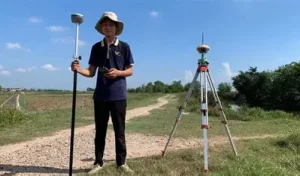
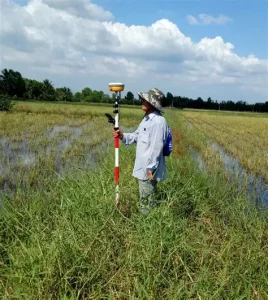
Cho thuê và phân phối máy RTK chính hãng tại Bắc Giang. Thiết bị GNSS độ chính xác cao, hỗ trợ kỹ thuật, giá tốt cho công trình.
Nhu cầu sử dụng máy RTK trong đo đạc tại Bắc Giang hiện nay
Bắc Giang hiện là một trong những tỉnh thành có tốc độ phát triển công nghiệp và hạ tầng dẫn đầu miền Bắc. Sự bùng nổ của các dự án xây dựng tạo ra áp lực lớn về tiến độ và độ chính xác cho công tác trắc địa. Các thiết bị máy định vị vệ tinh GNSS hiện đại đang dần thay thế các phương pháp đo đạc thủ công để đáp ứng yêu cầu khắt khe từ chủ đầu tư. Do đó, việc tìm kiếm địa chỉ cho thuê máy RTK uy tín Bắc Giang trở thành ưu tiên hàng đầu của các kỹ sư công trình.
Tại sao Bắc Giang là “điểm nóng” cần công nghệ RTK?
Bắc Giang đang chuyển mình mạnh mẽ với hàng loạt khu công nghiệp (KCN) và dự án hạ tầng giao thông quy mô lớn. Công nghệ RTK trở nên thiết yếu tại đây vì những lý do sau:
Phát triển hạ tầng công nghiệp: Các dự án như KCN Việt Hàn, KCN Yên Lư hay tuyến đường nối Quế Võ – Yên Dũng đòi hỏi công tác khảo sát địa hình công nghiệp phải diễn ra nhanh chóng trên diện tích hàng trăm hecta.
Đo đạc địa chính phức tạp: Nhu cầu cắm mốc ranh giới thửa đất và giải phóng mặt bằng tại các huyện Hiệp Hòa, Lạng Giang tăng cao. Việc sử dụng máy RTK giúp xác định ranh giới với độ chính xác centimet, hạn chế tối đa tranh chấp đất đai.
Lợi ích vượt trội của máy RTK so với phương pháp đo truyền thống
Sự xuất hiện của công nghệ đo động thời gian thực (RTK) đã tạo ra lợi thế lớn so với việc sử dụng máy toàn đạc điện tử truyền thống.
Tiết kiệm nhân lực: Đây là giá trị độc nhất mà công nghệ RTK mang lại. Trước đây, một tổ đội đo đạc cần ít nhất 3 người để vận hành máy toàn đạc. Giờ đây, chỉ cần duy nhất 1 kỹ sư với một chiếc máy RTK là có thể hoàn thành toàn bộ công việc.
Kết quả thời gian thực: Máy RTK cung cấp tọa độ ngay lập tức tại hiện trường. Bạn không cần mất thời gian về văn phòng để giải toán lưới phức tạp.
Khả năng đo linh hoạt: Với công nghệ bù nghiêng IMU 60 độ, kỹ sư có thể thu thập dữ liệu tại các góc tường hoặc dưới tán cây mà không cần cân bằng bọt thủy sào đo. Các thiết bị này thường đạt chuẩn IP68, giúp hoạt động bền bỉ trong môi trường bùn đất tại các công trường Bắc Giang.
Hiệu suất vượt trội: Nhờ công nghệ hiện đại mà tiến độ các dự án lớn nhỏ đều diễn ra nhanh chóng, tiết kiệm thời gian đáng kể cho các chủ thầu.
Việc đầu tư dịch vụ thuê máy định vị RTK sẽ là một lựa chọn mang lợi lợi ích tối đa, giúp tiết kiệm chi phí mà vẫn đảm bảo tiến độ dự án cho các nhà thầu công trình tại Bắc Giang
Các dòng máy RTK phân phối và cho thuê phổ biến tại Bắc Giang
Thị trường máy trắc địa Bắc Giang hiện nay rất đa dạng, đáp ứng mọi quy mô dự án từ đo đạc dân dụng đến các công trình trọng điểm quốc gia. Việc lựa chọn đúng dòng máy không chỉ giúp bạn đảm bảo độ chính xác mà còn tối ưu hóa chi phí đầu tư. Tùy vào ngân sách và tính chất công việc, bạn có thể cân nhắc giữa dòng máy cao cấp hoặc các dòng máy phổ thông đang được ưa chuộng tại các công trường.
Cho thuê các loại máy RTK giá tốt tại Bắc Giang
Máy RTK cao cấp (Trimble, Leica…)
Đây là phân khúc dành cho các đơn vị đòi hỏi sự hoàn hảo tuyệt đối trong đo đạc. Những “ông lớn” như Trimble hay Leica từ lâu đã khẳng định vị thế là những thực thể hàng đầu được Cục Đo đạc Bản đồ và Thông tin địa lý Việt Nam tin dùng trong các dự án lưới tọa độ hạng I, II.
Điểm đặc biệt nhất khiến các dòng máy này trở nên đắt giá là công nghệ độc quyền xFill (Trimble) hoặc SmartLink (Leica). Công nghệ này cho phép thiết bị duy trì trạng thái Fixed thêm vài phút khi bạn vô tình mất kết nối với trạm CORS VNGEONET hoặc mất tín hiệu Radio.
Nếu bạn đang tìm kiếm các loại máy RTK uy tín tại Bắc Giang để thực hiện các dự án yêu cầu kỹ thuật khắt khe, đây chính là sự lựa chọn số 1.
Máy RTK phổ thông (Geomate, CHCNAV, EFiX…)
Nếu bạn quan tâm đến bài toán kinh tế và cần thuê máy RTK tại Bắc Giang giá rẻ nhưng vẫn đảm bảo hiệu suất, các thương hiệu như Geomate, CHCNAV hay EFiX là những cái tên không thể bỏ qua. Đây là phân khúc cực kỳ phù hợp cho nhiệm vụ đo đạc địa chính Bắc Giang hoặc cắm mốc ranh giới thửa đất.
Công nghệ bù nghiêng IMU: Điểm “ăn tiền” của các dòng máy phổ thông đời mới hiện nay là tích hợp cảm biến bù nghiêng IMU 60 độ. Bạn không cần phải loay hoay cân bằng bọt thủy sào đo. Chỉ cần chạm mũi sào vào điểm cần đo, máy sẽ tự động tính toán bù trừ độ nghiêng để cho ra tọa độ chuẩn xác nhất.
Kết nối đa phương thức: Các thiết bị này hỗ trợ kết nối 4G/Radio cực mạnh, dễ dàng truy cập vào hệ thống đo động thời gian thực thông qua trạm CORS.
Hiện nay, bảng giá thuê máy GNSS RTK 2026 cho các dòng máy phổ thông này đang rất tốt. Chúng tôi luôn sẵn sàng tư vấn thủ tục thuê máy RTK tại Bắc Giang cực kỳ đơn giản, giúp bạn có ngay máy xịn để thực chiến tại công trường.
Bảng giá cho thuê máy RTK tại Bắc Giang
Bảng giá thuê máy RTK mới nhất 2026 (Theo ngày, tháng, dự án)
Để khách hàng dễ dàng lập kế hoạch ngân sách, chúng tôi cung cấp bảng giá thuê máy định vị GPS RTK 2026 với các gói giá ưu đãi và linh hoạt tại Trắc địa Lê Linh.
Gói thuê máy
Giá tham khảo (VNĐ)
Ghi chú
Thuê theo ngày
300.000 – 500.000 /ngày
Phù hợp cắm mốc ranh giới, kiểm tra tọa độ lẻ.
Thuê theo tháng
6.000.000 – 9.000.000 /tháng
Ưu tiên cho các tổ đội đo đạc dự án hạ tầng.
Thuê theo dự án
Liên hệ hotline
Giá cực tốt cho dự án dài hạn trên 3 tháng.
Lưu ý: Bảng giá đã bao gồm phụ kiện đi kèm (sào đo, sổ tay điện tử) và quyền truy cập vào hệ thống trạm CORS VNGEONET ổn định.
Thủ tục thuê máy RTK đơn giản, nhanh chóng
Tại Trắc địa Lê Linh, chúng tôi đã tối ưu quy trình cho thuê máy RTK một cách nhanh chóng, tiện lợi, giúp khách hàng có được trải nghiệm tốt nhất khi sử dụng dịch vụ
Thuê máy RTK tại Trắc địa Lê Linh
Đối với khách hàng cá nhân
Giấy tờ cần thiết: Bạn chỉ cần cung cấp Căn cước công dân (CCCD) chính chủ.
Chính sách đặt cọc: Chúng tôi áp dụng mức đặt cọc linh hoạt dựa trên giá trị máy. Đặc biệt, chúng tôi có chương trình hỗ trợ thuê máy RTK đo đạc địa chính Bắc Giang không đặt cọc dành cho khách hàng có hộ khẩu thường trú tại địa phương.
Đối với khách hàng doanh nghiệp
Với các công ty xây dựng hoặc đơn vị khảo sát cần tính pháp lý minh bạch, chúng tôi cung cấp quy trình chuyên nghiệp để phục vụ các dự án lớn:
Hồ sơ pháp lý: Doanh nghiệp cung cấp giấy phép kinh doanh bản sao và giấy giới thiệu cho nhân viên trực tiếp nhận máy.
Hợp đồng thuê máy: Hai bên ký kết hợp đồng rõ ràng, quy định cụ thể về thời gian thuê và trách nhiệm bảo quản thiết bị.
Thanh toán và hóa đơn: Chúng tôi cung cấp hóa đơn VAT đầy đủ, hỗ trợ quyết toán nhanh chóng cho các ban quản lý dự án.
Việc thuê máy theo danh nghĩa công ty giúp bạn dễ dàng quản lý chi phí cho các dự án khảo sát địa hình công nghiệp dài hạn. Các dòng máy RTK tại Trắc địa Lê Linh luôn sẵn sàng trong kho để phục vụ những yêu cầu khắt khe nhất về kỹ thuật từ phía chủ đầu tư.
LIÊN HỆ NGAY: 0943.669.369 để được tư vấn và báo giá ưu đãi nhất!
Máy thuỷ bình là thiết bị trắc địa dùng để đo chênh cao giữa các điểm trên bề mặt đất. Thiết bị này giúp kỹ sư xác định cao độ, kiểm tra độ bằng phẳng và thiết lập cao trình trong xây dựng. Trong nhiều công trình, việc đo cao độ chính xác quyết định trực tiếp đến chất lượng thi công.
Nguyên lý hoạt động của máy thuỷ bình dựa trên việc tạo một tia ngắm nằm ngang thông qua hệ thống ống kính và bộ cân bằng. Khi kết hợp với mia đo cao độ, kỹ sư có thể xác định sự khác biệt về độ cao giữa các vị trí.
Ví dụ thực tế tại công trường: trước khi đổ bê tông nền móng, kỹ sư thường dùng máy thuỷ bình để kiểm tra cao trình từng điểm. Nếu một khu vực thấp hơn thiết kế, đội thi công sẽ san lấp lại để đảm bảo mặt bằng đạt chuẩn.
Dịch vụ cho thuê máy thuỷ bình giá rẻ tại Hà Nội của Trắc Địa Lê Linh
Ứng dụng phổ biến trong xây dựng và khảo sát
Trong ngành xây dựng và trắc địa, máy thuỷ bình là thiết bị gần như bắt buộc. Công cụ này hỗ trợ nhiều công việc quan trọng:
Đo cao độ nền móng công trình trước khi thi công.
Kiểm tra độ bằng phẳng của sàn bê tông hoặc nền đất.
Thiết lập cao trình chuẩn cho đường, cầu và hệ thống hạ tầng.
Khảo sát địa hình để lập bản đồ hoặc thiết kế công trình.
Kiểm tra độ lún công trình trong quá trình sử dụng.
Một câu chuyện rất phổ biến ở công trường: khi đội thi công san lấp mặt bằng cho một khu nhà xưởng, kỹ sư trắc địa sử dụng máy thuỷ bình nikon để đo liên tục nhiều điểm. Sau vài lần đo, họ phát hiện một khu vực thấp hơn thiết kế gần 4 cm. Nhờ phát hiện sớm, đội thi công đã kịp thời bổ sung đất và nén chặt trước khi đổ bê tông.
Ngoài ra, nhiều nhà thầu cũng lựa chọn các dòng máy thuỷ bình topcon, máy thuỷ bình sokkia hoặc máy thuỷ bình leica vì độ ổn định cao và độ chính xác tốt trong môi trường công trường.
Dịch vụ cho thuê máy thuỷ bình giá rẻ tại Hà Nội của Trắc Địa Lê Linh
Ví dụ thực tế trong xây dựng nền móng
Trong thực tế thi công, máy thuỷ bình thường được sử dụng ngay từ giai đoạn đầu của dự án.
Ví dụ:
Một đội thi công đang chuẩn bị xây dựng nhà xưởng trên khu đất rộng. Trước khi đổ bê tông móng, kỹ sư trắc địa phải xác định cao độ chuẩn của toàn bộ khu vực.
Quy trình thực hiện thường diễn ra như sau:
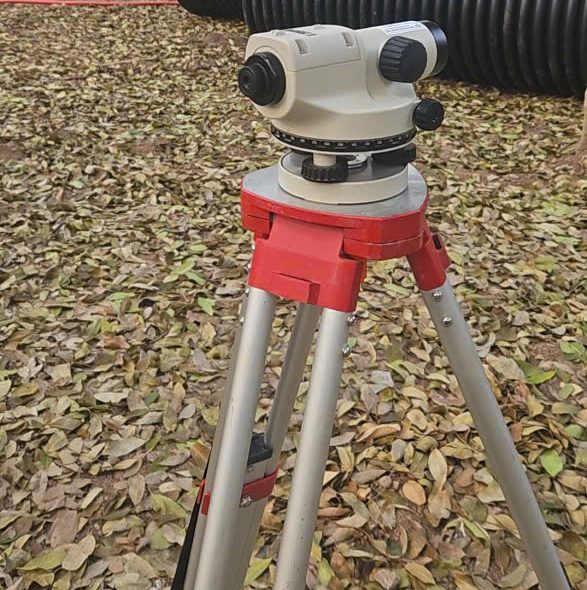
Kỹ sư đặt máy thuỷ bình trên chân máy tại vị trí trung tâm.
Thiết bị được cân bằng bằng bộ cân tự động.
Một công nhân giữ mia tại các điểm cần đo trên mặt đất.
Kỹ sư đọc số liệu qua ống kính và ghi lại chênh lệch cao độ.
Sau khi đo xong, đội thi công biết chính xác khu vực nào cần đắp đất, khu vực nào cần san thấp xuống để đạt cao trình thiết kế.
Trong nhiều công trình dân dụng nhỏ, nhà thầu thường lựa chọn thuê thiết bị thay vì mua. Lúc này, việc tham khảo giá máy thuỷ bình trên thị trường cho thuê giúp họ tối ưu chi phí nhưng vẫn đảm bảo độ chính xác cho công việc.
Cấu tạo máy thuỷ bình và nguyên lý hoạt động
Để hiểu rõ cách thiết bị đo cao độ hoạt động trong thực tế, trước hết cần nắm được cấu tạo máy thuỷ bình và cơ chế vận hành của nó. Về cơ bản, máy được thiết kế theo nguyên lý quang học kết hợp với bộ cân bằng tự động. Cấu trúc này giúp thiết bị luôn giữ được đường ngắm nằm ngang, từ đó đo chính xác chênh lệch cao độ giữa các điểm.
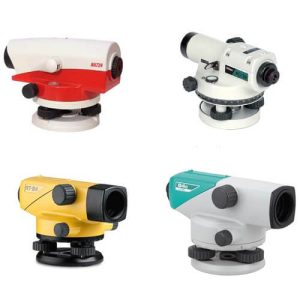
Hầu hết các dòng máy hiện nay như máy thuỷ bình topcon, máy thuỷ bình nikon, máy thuỷ bình sokkia hay máy thuỷ bình leica đều sử dụng cấu trúc này. Tuy nhiên, mỗi thương hiệu có thể cải tiến độ bền, khả năng chống rung hoặc độ sắc nét của thấu kính để nâng cao hiệu quả đo đạc.
Các bộ phận chính của máy
Một máy thuỷ bình tiêu chuẩn thường gồm các bộ phận quan trọng sau:
Ống kính
Ống kính là bộ phận giúp kỹ sư quan sát mia đo cao. Hệ thống thấu kính quang học có nhiệm vụ phóng đại hình ảnh và tạo đường ngắm chính xác.
Một số dòng máy hiện đại có độ phóng đại từ 24x đến 32x, giúp đọc số liệu trên mia rõ ràng ngay cả khi khoảng cách đo lên đến vài chục mét. Ví dụ, nhiều kỹ sư đánh giá máy thuỷ bình nikon có độ sắc nét quang học rất cao nhờ công nghệ thấu kính của Nhật Bản.
Bộ cân bằng tự động
Bộ cân bằng tự động giúp thiết bị luôn giữ được trục ngắm nằm ngang, ngay cả khi chân máy chưa cân chỉnh hoàn hảo.
Cơ chế này hoạt động dựa trên hệ thống con lắc từ tính hoặc con lắc treo, cho phép máy tự điều chỉnh độ cân bằng chỉ trong vài giây. Đây là lý do các dòng như máy thuỷ bình topcon hay máy thuỷ bình leica được đánh giá cao trong môi trường công trường có nhiều rung động.
Ốc vi động
Ốc vi động là núm điều chỉnh nhỏ cho phép kỹ sư xoay máy một cách chính xác theo phương ngang. Nhờ bộ phận này, người sử dụng có thể căn chỉnh đường ngắm đúng vị trí mia mà không cần di chuyển cả chân máy.
Điều này giúp thao tác đo nhanh hơn và giảm sai số trong quá trình đọc số liệu.
Bàn độ
Bàn độ là phần đế của máy, nơi kết nối thiết bị với chân máy trắc địa. Bộ phận này cho phép máy xoay 360 độ để quan sát nhiều điểm đo khác nhau.
Một số dòng máy cao cấp còn có thiết kế chống rung và chống bụi, giúp thiết bị hoạt động ổn định trong môi trường thi công khắc nghiệt.
Nguyên lý đo cao độ
Nguyên lý hoạt động của máy thuỷ bình khá đơn giản nhưng rất hiệu quả.
Thiết bị tạo ra một đường ngắm ngang tuyệt đối thông qua bộ cân bằng tự động. Khi kỹ sư nhìn qua ống kính, họ sẽ đọc số liệu trên mia đặt tại các điểm cần đo.
Quy trình đo thường diễn ra theo các bước:
Đặt máy trên chân máy và cân chỉnh thiết bị.
Hướng ống kính về phía mia đo cao.
Đọc giá trị trên mia thông qua chỉ chữ thập trong ống kính.
Tính toán chênh lệch giữa các số đọc để xác định cao độ của từng điểm.
Phương pháp này được gọi là đo thuỷ chuẩn, một kỹ thuật cơ bản trong trắc địa xây dựng. Nhờ cơ chế này, các công trình có thể được thi công đúng cao trình thiết kế.
Bảng giá thuê máy thuỷ bình mới nhất
Giá thuê máy thuỷ bình theo ngày
Thuê theo ngày là lựa chọn phổ biến cho các công trình nhỏ hoặc các hạng mục đo đạc ngắn hạn. Chi phí thấp giúp nhà thầu tiết kiệm ngân sách khi chỉ cần thiết bị trong thời gian ngắn.
Mức giá tham khảo:
Loại máy
Giá thuê/ngày
Máy thuỷ bình cơ bản
50.000 – 60.000 VNĐ
Máy thuỷ bình trung cấp
60.000 – 80.000 VNĐ
Máy thuỷ bình cao cấp
80.000 – 100.000 VNĐ
Liên hệ báo giá: 098 5565 789
Giá thuê máy thuỷ bình theo tuần
Đối với các dự án thi công kéo dài khoảng một tuần, nhiều đơn vị cho thuê sẽ áp dụng mức giá ưu đãi hơn so với thuê từng ngày.
Bảng giá tham khảo:
Loại máy
Giá thuê/tuần
Máy cơ bản
300.000 – 400.000 VNĐ
Máy trung cấp
400.000 – 500.000 VNĐ
Máy cao cấp
500.000 – 700.000 VNĐ
Liên hệ báo giá: 098 5565 789
Giá thuê máy thuỷ bình theo tháng
Thuê theo tháng phù hợp với các dự án xây dựng lớn như nhà xưởng, khu dân cư hoặc thi công đường giao thông. Mức giá lúc này thấp hơn nhiều nếu tính theo từng ngày.
Bảng giá tham khảo:
Loại máy
Giá thuê/tháng
Máy cơ bản
900.000 – 1.000.000 VNĐ
Máy trung cấp
1.000.000 – 1.400.000 VNĐ
Máy cao cấp
1.400.000 – 2.000.000 VNĐ
Các dòng cao cấp như máy thuỷ bình leica thường có giá thuê cao hơn vì độ chính xác quang học tốt và khả năng chống bụi, chống nước phù hợp với môi trường công trường khắc nghiệt.
Độ bền cơ học cao, phù hợp môi trường thi công khắc nghiệt
Bộ cân bằng tự động ổn định
Thao tác sử dụng đơn giản
Khả năng đo xa tốt
Các dòng như Topcon AT-B4 hoặc AT-B2 thường được nhiều kỹ sư lựa chọn vì độ chính xác ổn định và dễ bảo trì.
Phù hợp công trình nào
Máy thuỷ bình topcon thường được sử dụng trong:
công trình giao thông
san lấp mặt bằng
thi công nhà xưởng
công trình hạ tầng kỹ thuật
Những dự án có thời gian thi công dài thường ưu tiên thương hiệu này vì độ bền cao.
Giá thuê máy thuỷ bình nikon
Giá thuê tham khảo
Thời gian thuê
Giá thuê
Theo ngày
80.000 VNĐ
Theo tuần
500.000 VNĐ
Theo tháng
1.200.000 VNĐ
Độ chính xác quang học
Một trong những điểm mạnh của máy thuỷ bình nikon là hệ thống thấu kính quang học chất lượng cao. Nhiều dòng máy có độ phóng đại lớn và hình ảnh rất rõ, giúp kỹ sư đọc mia chính xác ngay cả khi khoảng cách đo xa.
Ngoài ra, thiết bị còn được đánh giá cao nhờ:
cấu trúc chắc chắn
khả năng cân bằng nhanh
thao tác đơn giản cho người mới sử dụng
Ứng dụng thực tế
Máy thường được dùng trong:
thi công nhà dân dụng
kiểm tra cao trình sàn
đo cao độ móng nhà
khảo sát địa hình quy mô nhỏ
Trong nhiều đội thi công nhỏ, máy thuỷ bình nikon là lựa chọn phổ biến vì chi phí thuê hợp lý nhưng vẫn đảm bảo độ chính xác.
Giá thuê máy thuỷ bình sokkia
Giá thuê tham khảo
Thời gian thuê
Giá thuê
Theo ngày
85.000 VNĐ
Theo tuần
550.000 VNĐ
Theo tháng
1.300.000 VNĐ
Độ bền trong công trường
Máy thuỷ bình sokkia nổi tiếng với thiết kế chắc chắn và khả năng hoạt động ổn định trong điều kiện môi trường khắc nghiệt.
Một số ưu điểm nổi bật:
chống bụi và chống ẩm tốt
kết cấu vỏ kim loại bền
độ ổn định cao khi đo nhiều lần
tuổi thọ thiết bị dài
Nhờ vậy, nhiều nhà thầu sử dụng máy Sokkia cho các dự án kéo dài nhiều tháng mà vẫn đảm bảo độ chính xác.
Giá thuê máy thuỷ bình leica
Giá thuê tham khảo
Thời gian thuê
Giá thuê
Theo ngày
120.000 VNĐ
Theo tuần
800.000 VNĐ
Theo tháng
2.000.000 VNĐ
Phân khúc cao cấp
Máy thuỷ bình leica thuộc phân khúc cao cấp trong ngành thiết bị trắc địa. Thương hiệu này đến từ Thụy Sĩ và có lịch sử phát triển lâu đời trong lĩnh vực quang học và đo đạc.
Các dòng phổ biến như Leica NA720 hoặc Leica Jogger thường được sử dụng trong các dự án yêu cầu độ chính xác cao.
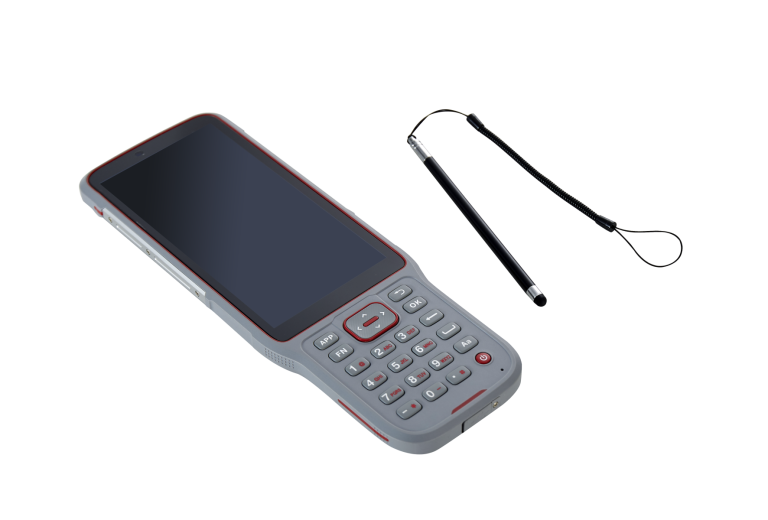
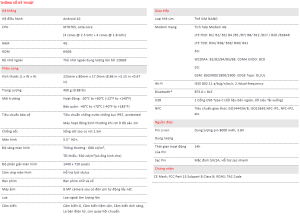
GeoMate FC2 là bộ điều khiển dữ liệu thực địa Android 10 mạnh mẽ và đáng tin cậy, được thiết kế để tích hợp với các bộ thu GNSS RTK. Màn hình HD+ 5,5 inch đảm bảo khả năng hiển thị rõ ràng, ngay cả dưới ánh sáng mặt trời chói chang, sổ tay FC2 cài đặt sẵn Ứng dụng khảo sát thực địa chuyên nghiệp MateSurvey giúp đơn giản hóa các tác vụ khảo sát và lập bản đồ. Với kết nối Wi-Fi, Bluetooth 5.0, NFC và 4G tích hợp, FC2 cho phép truyền dữ liệu nhanh chóng và hiệu quả tại hiện trường. Được trang bị bộ xử lý octa-core, RAM 4 GB và ROM 64 GB, giúp xử lý dữ liệu lớn một cách dễ dàng, đảm bảo hiệu suất công việc. Pin dung lượng lớn giúp bạn làm việc suốt cả ngày, khiến nó trở thành người bạn đồng hành hoàn hảo cho công việc thực địa đòi hỏi tiến độ khắt khe.
Sổ tay Geomate FC2 không chỉ nổi bật với thiết kế siêu bền chuẩn công nghiệp mà còn sở hữu khả năng kết nối đa dạng với nhiều dòng máy thu GNSS RTK hàng đầu hiện nay. Được tối ưu hóa tuyệt đối cho hệ sinh thái chính hãng thông qua phần mềm MateSurvey, thiết bị mang lại trải nghiệm đồng bộ mượt mà, không độ trễ với các model như Geomate SG5, SG7, SG9 và SG20.
Đặc biệt, nhờ chạy trên nền tảng Android mở và công nghệ truyền trút dữ liệu Bluetooth 5.0, bộ điều khiển Geomate FC2 có khả năng tương thích chéo ấn tượng. Thiết bị kết nối hoàn hảo với các dòng máy đo đạc phổ biến cùng nền tảng công nghệ như CHCNav (i50, i73, i83…). Hơn thế nữa, các kỹ sư trắc địa có thể dễ dàng biến FC2 thành trung tâm điều khiển cho các thương hiệu khác như E-Survey, South, hay Hi-Target chỉ bằng việc cài đặt các ứng dụng bên thứ ba (SurPad 4.2, SurvX). Đầu tư sổ tay Geomate FC2 chính là giải pháp nâng cấp thiết bị linh hoạt, giúp tối ưu hóa chi phí và hiệu suất cho mọi dự án đo đạc địa hình, địa chính.
LIÊN HỆ NGAY HOTLINE: 0985 565 789 để được tư vấn và báo giá ưu đãi nhất!
Okay, so check this out—I’ve been poking around Solana tools for years. Wow! The landscape keeps changing. At first glance a blockchain explorer looks simple. But our interactions with on-chain data are messy, fast, and sometimes deceptive, and that matters for tokens you care about. My instinct said: you need clarity, not noise.
Whoa! Seriously? Yes. Token trackers can save you from bad trades. They can also reveal interesting patterns. Medium-level users often miss on-chain context because they rely on market charts alone, which is a mistake. Initially I thought that most token info lived in wallets and exchanges, but then I realized there’s a whole layer of truth on-chain that tells a different story.
Here’s the thing. A good token tracker shows more than price. It shows ownership distribution, recent transfers, mint authority status, and mint supply changes. Those data points are crucial when a new token launches or when a rug-pull risk emerges. I’m biased, but I prefer tools that give raw evidence, not just pretty visuals.
Really? Yep. You can spot whales. You can spot wash trades. You can see if the devs renounced control. And sometimes you see somethin’ weird that charts hide… For example, a sudden spike of small transfers from one address might indicate an airdrop botnet or a laundering pattern, though actually, wait—let me rephrase that—sometimes it’s legitimate market-making activity, so you need to read the context.
For Solana in particular, speed and parallelization change the signal. Transaction throughput is high, so on-chain traces are dense. That makes the role of filters and good UI essential, because without them you get overwhelmed. On one hand, raw data is golden; on the other hand, you don’t want to drown in it. My method is to combine automated filters with a quick human scan.
How I use solscan explorer to track tokens and why it works
When I’m tracking a token I open the token page and scan the holders list first. Hmm… it’s a ritual. I look for top holders with >5% concentration. Then I check the recent transactions for spikes or repeated transfers. The solscan explorer interface makes this quick because the holder snapshot and tx timeline are on the same flow, and that saves time.
Short checks first. Then deeper checks. I click through to suspicious addresses and examine their token portfolios. Sometimes the owner is obviously an exchange or a known market maker. Other times the holder is an anonymous wallet that just popped up. That raises a flag. On the contrary, a well-distributed cap table reduces downside, though it doesn’t eliminate risk entirely.
My process has a few repeatable steps. Step one: verify total supply and decimals. Step two: confirm mint authority status. Step three: scan top 20 holders and look at transaction cadence. Step four: search for contract interactions that mint or burn supply. It’s not glamorous, but it’s effective. And sometimes I find something unexpected and it changes the trade decision midstream.
Something felt off about that token last month. I saw frequent micro-mints from one address. Whoa! That triggered me to pause and ask more questions. Initially I thought it was airdrop distribution, but further checks showed coordinated minting that later correlated with sudden sells. On one hand the project claimed transparency; on the other hand the on-chain facts told a different story.
Tools like solscan explorer give you timestamps, signatures, and program logs. Those are the breadcrumbs. You can map transfers to program calls, and that often reveals if a swap program or a custom contract is doing something non-standard. I like being thorough, and yes, sometimes I overdo the forensic digging. But digging pays off.
Okay, pro tips. Use the “token activities” filter to focus only on transfers. Use the API endpoints for batch checks if you automate alerts. Check associated token accounts — they can be many per wallet — and don’t trust token symbols alone. Symbols can be spoofed. Real token identity comes from the mint address and its metadata, and that is where explorers shine because they show on-chain metadata alongside social links.
I’ll be honest—there are limitations. Not all metadata is reliable. Off-chain links in metadata might be dead. Some projects host resources on IPFS or a third-party site that disappears. So practice cross-verification. Check the GitHub, the team’s Twitter footprints, and any trusted audits. This is extra work but it reduces surprise.
Oh, and by the way, watch out for near-duplicate token names. People create tokens with similar names to confuse investors. That’s shady, and it still happens. If a token jumps 1000% overnight but has high supply concentrated in one wallet, that’s a red flag. Conversely, organic growth often shows lots of small holders gradually accumulating over time.
Practical checklist for an on-chain token audit
Quick checklist I use in a rush: 1) Confirm mint address. 2) Check total supply and decimals. 3) Inspect top holders and distribution. 4) Review recent large transfers. 5) Look for mint/burn events. 6) Verify mint authority and freeze authority. 7) Cross-link on-chain metadata to off-chain proofs. Do them in that order. This order keeps me from being misled by price action.
Not everything will be clear. Sometimes the data is ambiguous. Sometimes you need to ask the project team direct questions. And sometimes they don’t answer. That part bugs me. But a reliable explorer reduces ambiguity significantly by delivering transparent, timestamped evidence you can trust.
FAQ
How do I confirm a token is the official one?
Look at the mint address and its on-chain metadata. Verify the token’s social links and GitHub from the metadata, if present, and cross-check those resources. Check large holder identities — if major exchanges or known wallets appear, that suggests legitimacy; however, do not rely on a single sign. Also, inspect the mint authority and whether it’s renounced, because retained authority can enable unexpected minting.
Can I automate alerts on suspicious activity?
Yes. Use explorer APIs or webhooks to monitor large transfers, mint events, or sudden concentration changes. Automate initial filters, then do a manual review when alerts fire. Automation reduces reaction time, though human judgment is still required to interpret nuance.
So where does that leave you? If you’re serious about tokens on Solana, build a short routine and use an explorer that gives you both breadth and depth of data. The data won’t make decisions for you, but it will inform them meaningfully. I’m not 100% sure on everything, but that’s the point—be skeptical, dig in, and use on-chain evidence to tilt the odds in your favor. Somethin’ tells me that kind of diligence pays off in the long run…
BẢNG GIÁ PHÍ ĐO ĐẠC ĐẤT ĐAI CẬP NHẬT 11 DỊCH VỤ ĐO ĐẠC MỚI NHẤT 2025
Đây là thông tin cập nhật Bảng Giá Dịch Vụ Đo Đạc Hà Nội và Các Tỉnh Lân Cận – Trắc Địa Lê Linh. Giúp Quý Khách Hàng Nắm Được Giá Đo Đạc Từng Loại Dịch Vụ Của Chúng Tôi. Đảm bảo độ chính xác cao, đúng pháp lý, giúp khách hàng dễ dàng hoàn công, mua bán, sang nhượng.
Liên Hệ Số Hotline Bên Dưới Để Được Giá Ưu Đãi Trong 5 Phút.
Dịch vụ đo đạc Trắc địa Lê Linh
Liên hệ để được giá Tốt hôm nay: 0985.109.933
1. Xác định ranh giới đất đai theo hệ toạ độ VN-2000
Dẫn tọa độ VN-2000 bằng công nghệ GNSS từ mạng lưới trạm định vị vệ tinh quốc gia, mốc địa chính cơ sở hạng III của nhà nước về 2 mốc khống chế đo vẽ GNSS đặt tại gần thửa đất.
Sau đó đo đạc bố trí xác định ranh giới thửa đất bằng phương pháp toàn đạc điện tử, kiểm tra chồng ranh lấn thửa và cắm lại góc ranh tọa độ VN-2000 theo giấy chứng nhận quyền sử dụng đất.
Bước kiểm tra rất quan trọng trước khi xây dựng một căn nhà, một tòa nhà. Lập biên bản bàn giao cắm ranh giới tọa độ để làm cơ sở xây dựng nhà hoặc giải quyết tranh chấp (nếu có) khi bị chồng ranh, lấn thửa.
Ngôi nhà là tài sản cả đời, khi lỡ xây dựng xong mà bị chồng ranh thì rất khó để làm thủ tục hoàn công. Hoàn công là để hợp thức hóa mảnh đất, căn nhà đó về mặt pháp lý. Từ đó giúp cho việc trao đổi mua bán, sang nhượng đất đai, nhà ở dễ dàng nhất.
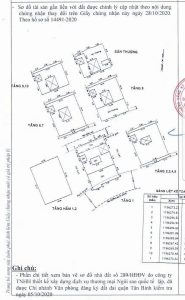
Hình ảnh xác định ranh giới đất đai
Dịch vụ đo đạc trắc địa Lê Linh
Giá dịch vụ cắm ranh giới 1 thửa đất.
Diện tích
Đơn giá (vnđ)
Từ 50 – 100m2
3.000.000 – 4.500.000
Từ 100 – 300m2
4.000.000 -5.500.000
Từ 300 – 500m2
4.500.000 – 6.500.000
Từ 500 – 1000m2
5.500.000 – 7.500.000
Từ 1000 – 3000m2
7.000.000 – 9.000.000
Từ 3000 – 10000m2
8.000.000 – 11.000.000
Từ 1000m2 trở lên
Liên hệ: 0985.109.933
Liên hệ để được giá Tốt hôm nay.
Kết quả giao nộp:
– Góc ranh được đánh dấu bằng cọc sắt sơn đỏ hoặc đóng đinh xịt sơn đỏ.
– Biên bản bàn giao đo đạc bố trí điểm cùng bản vẽ sơ đồ chỉ dẫn các góc ranh.
Độ chính xác của Thông tư 25/2014/TT-BTNMT, Nghị định 27/2019/NĐ-CP
2. Kiểm Tra Nhà Đã Xây Dựng – Chi Phí – Lệ Phí Đo Đạc Đất Đai.
Tại sao cần kiểm tra tọa độ căn nhà đã xây dựng?
Việc đo đạc kiểm tra căn nhà giúp xác định tọa độ VN-2000 có khớp với giấy chứng nhận quyền sử dụng đất (QSDĐ) hay không. Điều này rất quan trọng trong các trường hợp:
Nghi ngờ chồng ranh, lấn thửa sang đất người khác.
Xác minh vị trí thực tế trước khi mua bán nhà đất.
Hỗ trợ hồ sơ pháp lý khi xảy ra tranh chấp ranh giới.
Quy trình đo đạc kiểm tra nhà đã xây dựng
1️⃣ Tiến hành đo đạc thực địa để lấy tọa độ chính xác. 2️⃣ So sánh kết quả với tọa độ trên giấy chứng nhận QSDĐ. 3️⃣ Lập biên bản bàn giao kiểm tra ranh thửa để làm căn cứ pháp lý. 4️⃣ Cung cấp bản vẽ sơ đồ ranh giới, hỗ trợ trình báo cơ quan chức năng nếu có tranh chấp.
Giá kiểm tra 1 căn nhà theo diện tích
Diện tích
Đơn giá (vnđ)
Từ 50 – 100m2
3.500.000 – 5.500.000
Từ 100 – 300m2
4.500.000 -6.500.000
Từ 300 – 500m2
5.000.000 – 7.000.000
Từ 500m2 trở lên
Liên hệ: 0985.109.933
Kết quả giao nộp:
✔️ Đánh dấu góc ranh bằng sơn ngoài thực địa (nếu có). ✔️ Biên bản kiểm tra & bản vẽ sơ đồ ranh giới chi tiết.
📞 Hotline tư vấn & báo giá nhanh: 0985 109 933
🚀 Trắc Địa Lê Linh – Đo đạc chính xác, hỗ trợ pháp lý, đảm bảo quyền lợi khách hàng!
Kiểm Tra Căn Nhà Đã Xây Dựng
3. Dịch Vụ Đo Đạc Xác Nhận Diện Tích Đất – Chi Phí Lệ Phí Cập Nhật
Khi nào cần đo đạc lại diện tích đất?
Việc đo đạc xác nhận diện tích đất thực tế giúp so sánh số liệu trên giấy chứng nhận quyền sử dụng đất (QSDĐ) với diện tích thực tế đang sử dụng. Dịch vụ này đặc biệt quan trọng trong các trường hợp: ✅ Diện tích đất thực tế chênh lệch so với giấy tờ. ✅ Xác nhận lại diện tích đất trước khi mua bán, sang nhượng. ✅ Kiểm tra sai lệch kích thước, ranh giới đất đai.
Quy trình đo đạc diện tích đất thực tế
1️⃣ Đo đạc ranh giới hiện trạng bằng thiết bị toàn đạc điện tử. 2️⃣ Xác định tọa độ VN-2000 và so sánh với giấy tờ pháp lý. 3️⃣ Lập bản vẽ sơ đồ thửa đất kèm bảng liệt kê tọa độ. 4️⃣ Bàn giao biên bản xác nhận diện tích làm cơ sở pháp lý.
Giá dịch vụ đo đạc diện tích 1 thửa đất
Diện tích
Đơn giá (vnđ)
Từ 50 – 80m2
2.500.000 – 3.500.000
Từ 80 – 100m2
3.500.000 -4.500.000
Từ 100 – 120m2
4.500.000 – 5.500.000
Từ 120 – 150m2
5.500.000 – 6.500.000
Từ 150 – 200m2
6.500.000 – 9.000.000
Từ 200 – 300m2
8.000.000 – 11.000.000
Từ 300m2 trở lên
Liên hệ: 0985.109.933
Trình Đo Đạc Diện Tích Đất Thực Tế
Chi phí đo đạc & cắm mốc địa chính bao nhiêu tiền?
Phí đo đạc lại đất đai sẽ phụ thuộc vào diện tích và độ phức tạp của khu đất.
Lệ phí đo đạc và cắm mốc cũng khác nhau tùy theo yêu cầu thực tế.
📜 Kết quả bàn giao: ✔️ Đánh dấu góc ranh bằng sơn, cọc sắt ngoài thực địa (nếu có). ✔️ Bản vẽ sơ đồ ranh giới với kích thước, diện tích, tọa độ VN-2000.
Xác định diện tích đất theo thật tế
4. Dịch Vụ Đo Vẽ Lập Hiện Trạng Bản Đồ Nhà Đất – Chi Phí Bảng Giá Mới Nhất 2026
Đo vẽ bản đồ hiện trạng nhà đất dùng để làm gì?
Dịch vụ đo vẽ hiện trạng nhà đất phục vụ cho các thủ tục pháp lý và xây dựng như: ✅ Cấp sổ đỏ (GCN QSDĐ), cấp đổi sổ, tách thửa, hợp thửa. ✅ Xin phép xây dựng, hoàn công nhà ở, cấp số nhà, đấu nối điện nước. ✅ Thẩm định hồ sơ vay vốn ngân hàng, thiết kế công trình.
Quy trình đo vẽ bản đồ hiện trạng nhà đất
1️⃣ Xác định ranh giới thực địa, đo đạc bằng máy toàn đạc điện tử. 2️⃣ Lập bản đồ hiện trạng nhà đất theo tỷ lệ: 1/500, 1/2000, 1/5000, 1/25000. 3️⃣ Bàn giao hồ sơ đo vẽ gồm: ✔ Bảng liệt kê tọa độ góc ranh. ✔ Bản đồ vị trí – sơ đồ chỉ dẫn diện tích. ✔ Bản vẽ xác nhận diện tích thực tế.
Giá dịch vụ đo vẽ hiện trạng 1 thửa đất
Diện tích
Đơn giá (vnđ)
Từ 50 – 100m2
3.500.000 – 4.000.000
Từ 100 – 300m2
4.500.000 -6.500.000
Từ 300 – 500m2
5.000.000 – 7.000.000
Từ 500 – 1000m2
6.000.000 – 8.000.000
Từ 1000 – 3000m2
7.000.000 – 9.000.000
Từ 3000 – 10000m2
8.000.000 – 11.000.000
Từ 1000m2 trở lên
Liên hệ: 0985.109.933
Chi Phí Đo Vẻ Hiện Trạng Nhà【 Gắn Liền Với Đất】
Đơn giá: 8,380đ/ 1m2 (gắn liền với đất)
Đơn giá chưa bao gồm phí kiểm tra nội nghiệp của Văn phòng đăng ký đất đai (nếu có). Liên hệ để được giá ưu đãi nhất hôm nay.
Các loại bản đồ hiện trạng nhà đất phổ biến
📌 Bản đồ 1/500: Quy hoạch chi tiết, xác định ranh giới công trình. 📌 Bản đồ 1/2000: Xác định chức năng sử dụng đất & hạ tầng kỹ thuật. 📌 Bản đồ 1/5000: Phân vùng quy hoạch, định hướng giao thông. 📌 Bản đồ 1/25000: Sơ đồ chỉ dẫn khu đất trong phạm vi rộng.
💡 Bạn cần biết:
Lệ phí đo đạc đất khi làm sổ đỏ phụ thuộc vào diện tích & mục đích sử dụng.
Phí trích đo thửa đất do cơ quan địa chính thực hiện theo quy định.
Nếu cần hỗ trợ nhờ địa chính đo đất, chúng tôi sẽ tư vấn phương án tối ưu nhất!
🚀 Trắc Địa Lê Linh – Đo vẽ chính xác, thủ tục nhanh gọn!
Hình ảnh do vẽ hiện trạng nhà đất
Dịch vụ đo đạc trắc địa Lê Linh
5. Dịch vụ đo đạc công trình xây dựng
Định vị tim cọc:
✔ Kiểm tra & thống nhất tọa độ cọc. ✔ Sử dụng máy toàn đạc điện tử để định vị chính xác. ✔ Bố trí kỹ thuật viên giám sát chặt chẽ.
Diện tích
Đơn giá (vnđ)
Từ 50 – 100m2
3.000.000 – 4.000.000
Từ 100 – 300m2
4.000.000 -6.000.000
Từ 300m2 trở lên
Liên hệ: 0985.109.933
Định vị tim trục:
✔ Phục vụ thi công đài móng, đà móng. ✔ Gửi trục lên tường hoặc gabarit.
Diện tích
Đơn giá (vnđ)
Từ 50 – 100m2
2.500.000 – 3.500.000
Từ 100 – 300m2
3.000.000 -4.000.000
Từ 300m2 trở lên
Liên hệ: 0937.327.468
Định vị trục gửi:
✔ Búng mực trục gửi, da cột. ✔ Báo trước 1 ngày để kỹ thuật viên đến công trình thực hiện đo đạc.
Diện tích
Đơn giá (vnđ)
Từ 50 – 100m2
3.000.000 – 4.000.000
Từ 100 – 300m2
4.000.000 -6.000.000
Từ 300m2 trở lên
Liên hệ: 0937.327.468
Liên hệ để được giá Tốt hôm nay.
Trắc đạc hoàn thiện:
✔ Hoàn công cao độ mặt sàn. ✔ Phục hồi đường tim trục chính. ✔ Định vị chân tường, cửa đi, cửa sổ theo bản vẽ Shop drawing.
Bảng giá trắc đạc hoàn thiện
💰 4.000 – 8.000đ/m²(giá thay đổi tùy theo diện tích thực hiện).
📌 Lưu ý: ✔ Đơn giá áp dụng tại Hà Nội. ✔ Xuất hóa đơn VAT +10%.
Hình ảnh đo đạc trắc địa công trình
Dịch vụ đo đạc Trắc địa Lê Linh
📌 Bạn cần biết:
Công ty đo đạc đất đai chuyên nghiệp sẽ giúp bạn hoàn thành thủ tục nhanh chóng, chính xác.
Đơn giá cắm mốc ranh giới thay đổi tùy vào vị trí và diện tích đất.
Dịch vụ đo đất giúp đảm bảo công trình xây dựng đúng quy hoạch.
🚀 Trắc Địa Lê Linh – Chuyên nghiệp, chính xác, nhanh chóng!
6. Khảo sát đo đạc địa hình, giao thông
Đo đạc khảo sát địa hình, biên tập bản đồ địa hình, bàn giao và nghiệm thu sản phẩm. Phục vụ công tác thiết kế công trình, giao thông, thủy lợi hoặc công tác quy hoạch chi tiết. Liên hệ để được báo giá chi tiết theo từng hạng mục. Giá cả dịch vụ rõ ràng, minh bạch.
Khảo sát phục vụ thiết kế tuyến đường giao thông, thủy lợi.
Đơn giá: 5,000,000đ /1 km
Đo vẽ chi tiết và biên tập bản đồ địa hình tỷ lệ 1/500 (trên cạn), đường đồng mức 1 mét.
Đơn giá: 6,500,000đ (dưới 1 ha)
Đơn giá: 7,500,000đ (từ 1-3 ha)
Đơn giá: 9,500,000đ (từ 3-5 ha)
Đơn giá: 12,500,000đ (từ 5-7 ha)
Đơn giá: 15,500,000đ (từ 7-10 ha)
Đơn giá: 20,000,000đ (từ 10-15 ha)
Đo vẽ chi tiết và biên tập bản đồ địa hình tỷ lệ 1/500 (sình lầy), đường đồng mức 1 mét.
Đơn giá: 6,500,000đ (dưới 1 ha)
Đơn giá: 9,500,000đ (từ 1-3 ha)
Đơn giá: 11,500,000đ (từ 3-5 ha)
Đơn giá: 14,500,000đ (từ 5-7 ha)
Đơn giá: 17,500,000đ (từ 7-10 ha)
Đơn giá: 22,500,000đ (từ 10-15 ha)
Các trường hợp khác căn cứ vào khối lượng thực tế và phương pháp thực hiện, yêu cầu công việc bổ sung để lập dự toán chi tiết trước khi ký hợp đồng thực hiện công việc. Liên hệ để biết thêm thông tin chi tiết.
Công Nghệ Đo Hiện Đại:
🔹 Máy đo đất địa chính tiên tiến đảm bảo dữ liệu chuẩn xác. 🔹 Máy đo địa chính GNSS RTK, UAV phục vụ đo địa hình phức tạp. 🔹 Công ty đo đạc địa chính Hà Nội – Đơn vị chuyên nghiệp hàng đầu trong lĩnh vực đo đạc địa hình & quy hoạch.
7. Khảo sát tính toán khối lượng san lấp
🔹 Địa hình đã qua san lấp nhưng chưa hoàn thiện:Mặt bằng cơ bản bằng phẳng, ít vật cản che khuất tầm nhìn. 🔹 Địa hình tự nhiên (đồi núi, ao hồ, mương nước chia cắt): Khu vực cần đo đạc còn nguyên trạng, có địa vật gây cản trở công tác đo đạc. 🔹 Địa hình sình lầy, cây cối rậm rạp: Địa hình khó khăn, khuất tầm nhìn, yêu cầu phương pháp đo đạc đặc biệt.
Đơn giá đo đạc khảo sát địa hình (trên cạn) và tính toán khối lượng đào đắp phục vụ công tác san lấp mặt bằng.
Đơn giá: 6,500,000đ (dưới 1 ha)
Đơn giá: 9,500,000đ (từ 1-3 ha)
Đơn giá: 11,500,000đ (từ 3-5 ha)
Đơn giá: 14,500,000đ (từ 5-7 ha)
Đơn giá: 17,500,000đ (từ 7-10 ha)
Đơn giá: 22,000,000đ (từ 10-15 ha)
>> Những hình ảnh về THỰC tế công ty >>>
Dịch vụ đo đạc trắc địa Lê Linh
Đo đạc khảo sát địa hình (sình lầy) và tính toán khối lượng đào đắp phục vụ công tác san lấp mặt bằng.
Đơn giá: 8,500,000đ (dưới 1 ha)
Đơn giá: 11,500,000đ (từ 1-3 ha)
Đơn giá: 13,500,000đ (từ 3-5 ha)
Đơn giá: 16,500,000đ (từ 5-7 ha)
Đơn giá: 19,500,000đ (từ 7-10 ha)
Đơn giá: 24,500,000đ (từ 10-15 ha)
>> Những hình ảnh THỰC tế về công ty >>>
Dịch vụ đo đạc trắc địa Lê Linh
🔹 Sử dụng các phương pháp đo đạc hiện đại: ✔ Toàn đạc điện tử – Xác định chính xác tọa độ, cao độ. ✔ Định vị GNSS RTK – Đo nhanh, chính xác trên diện rộng. ✔ Bay chụp UAV – Phục vụ khảo sát địa hình phức tạp.
🔹 San lấp mặt bằng là gì? San lấp mặt bằng là quá trình đào đất từ khu vực cao để đắp vào khu vực thấp, tạo bề mặt phẳng theo thiết kế. Công tác này gồm: ✔ Đào đất – Loại bỏ phần đất cao hơn cao độ thiết kế. ✔ Vận chuyển đất – Đưa đất đến vị trí cần đắp. ✔ Đắp đất – Nâng cao mặt bằng theo yêu cầu.
🚀 Trắc Địa Lê Linh – Đơn vị đo đạc đất chuyên nghiệp, đảm bảo độ chính xác cao & chi phí minh bạch!
8. Đo đạc dẫn cao độ quốc gia về công trình
Lưới độ cao quốc gia là lưới khống chế về độ cao thống nhất trong toàn quốc, được đo theo phương pháp đo cao hình học, là cơ sở để xác định độ cao phục vụ đo vẽ bản đồ địa hình, nghiên cứu khoa học. Lưới độ cao quốc gia bao gồm lưới độ cao hạng I, II, III và IV.
Lưới độ cao quốc gia lấy mực nước biển trung bình quan trắc nhiều năm tại trạm nghiệm triều Hòn Dấu (Đồ Sơn, Hải Phòng) làm mực chuẩn “0” về độ cao. Độ cao trong lưới độ cao quốc gia được tính theo hệ thống độ cao chuẩn.
Đơn giá: Thương thảo theo từng dự án
Hình ảnh đo dẫn chuyển độ cao
Dịch vụ đo đạc Trắc địa Lê Linh
9. Dịch vụ biên tập bản đồ chuyên đề
Bản đồ chuyên đề là dạng bản đồ có nội dung thể hiện một số đối tượng địa lý, kinh tế – xã hội riêng biệt.
Chính vì tính chất này mà bản đồ chuyên đề khá phong phú và đa dạng về chủ đề, với nhiều phương thức thể hiện khác nhau; cụ thể chúng tôi luôn xây dựng các loại bản đồ với các chuyên đề: Chuyên đề Giao thông – vận tải; Chuyên đề mạng lưới thuỷ văn; Chuyên đề thương mại dịch vụ; chuyên đề bán hàng,…và nhiều chuyên đề khác theo nhu cầu, mục đích sử dụng của quý khách hàng.
Bản đồ giao thông vận tải:Giúp công ty chuyên lĩnh vực vận tải, logistic xây dựng mạng lưới vận chuyển, nắm bắt khái lược về quãng đường, chiều dài trung chuyển hàng hoá về nơi tập kết 2. Bản đồ thương mại dịch vụ:Nhằm tạo điều kiện cho các công ty hoạt động về thương mại dịch vụ có thể nắm bắt mạng lưới hệ thống bán hàng vừa và nhỏ (tạp hóa, đại lý cộng tác viên), để quý công ty có cái nhìn khái quát, tổng thể về mạng lưới bán hàng; kịp thời điều chỉnh cho phù hợp để khai thác và đáp ứng nhu cầu tiêu thụ hàng hoá; 3. Bản đồ khu công nghiệp và liên vùng khu công nghiệp: Xây dựng mạng lưới khu công nghiệp, tiểu thủ công nghiệp và liên vùng các khu công nghiệp; 4. Bản đồ hành chính và xin giấy phép xuất bản cho khách hàng.
LỢI ÍCH KHI SỬ DỤNG DỊCH VỤ ĐO ĐẠC XÁC ĐỊNH RANH ĐẤT
Đo đạc định vị và lập biên bản bố trí điểm tọa độ góc ranh đất đai VN-2000 trước khi xây dựng, một phần tài liệu phục vụ cho công tác giải quyết tranh chấp đất đai nếu thửa đất hoặc từng vị trí góc ranh bị sai lệch lớn.
Nhận sơ đồ cắm ranh đất của bên Trắc Địa Lê Linh cung cấp
Whoa! Okay, so check this out—I’ve been using Monero in one form or another for years. My instinct said to avoid web wallets at first. Seriously? A browser-based wallet felt risky. But after digging in, testing, and losing sleep over a few paranoid scenarios, I started to see why a lightweight web wallet can be a smart compromise for many users. It’s fast. It’s convenient. It sometimes feels almost too easy. And yeah, somethin’ about that ease bugs me, too…
Short version: web wallets trade a sliver of absolute control for major usability wins. For newcomers and frequent small transactions, that tradeoff can be worth it. For large holdings, though, you’ll want stronger custody. Initially I thought that “web” meant “unsafe always,” but then I realized the nuance—there’s a spectrum of risk. Actually, wait—let me rephrase that: web wallets vary wildly, and some are engineered with privacy as a priority rather than an afterthought. On one hand a web wallet can leak metadata through careless design; on the other hand, a well-built one minimizes exposure while staying easy to use.
I’m biased, but I’ll be honest: I like tools that don’t make me feel like I need a cryptography degree to send a payment. So I tested a lightweight Monero web wallet workflow for a while. I learned by doing. I screwed up once and got lucky. (Oh, and by the way, that near-miss taught me more than any tutorial ever could.) The rest of this piece pulls those lessons together—practical, gritty, and US-flavored—so you can decide when a web-based Monero wallet makes sense for you.
What “web wallet” really means for Monero users
A web wallet is just a wallet whose interface runs in your browser. Pretty straightforward. But the important detail is where the keys live. Some web wallets store keys server-side. Some keep them client-side in the browser. Those are very different trust models. If the keys never leave your machine, the server can’t drain your funds. If they do, you need to trust the operator. My gut reaction was distrust of servers. However, browser-side wallets can still leak sensitive metadata like IP addresses or transaction timing, unless they take privacy-first measures.
Here’s what to watch for. Short bullets, because my brain likes lists:
Client-side key generation and encryption—good. It means seeds are derived in your browser and not posted to the server.
Open-source code—very good. You want to verify what the site does, or let the community do it.
Static, reproducible builds—good. That means the code you audit can be the same code deployed.
HTTPS + HSTS—mandatory. No excuses. If the connection can be intercepted, you lose.
That last point is basic internet hygiene, of course. But the nuance is in how the wallet handles remote nodes. Many web wallets let you choose a node. If all traffic is routed to a single remote node, the node learns your transaction propagation timing and maybe more. Using trusted nodes, or even your own, reduces that leakage. On the flip side, running a full Monero node is heavy. So yeah—tradeoffs.
My practical take on security trade-offs
Here’s the thing. You have three choices, broadly speaking. Custody (you hold keys offline), managed custody (a provider holds keys), or hybrid (browser stores keys but uses remote services). All three are valid depending on your needs. I prefer hybrid for daily spending, cold storage for long-term holdings. Most folks do the same once they realize the hassle-benefit balance.
Initially I stacked everything in cold storage. Worked fine. But it was annoying for small, frequent buys and micro-payments. Middle-ground is where a lightweight web wallet shines: quick login, quick send, lower friction for privacy-preserving transactions. That convenience matters. It changes behavior. People who keep funds stuck in cold storage may never use their coins; people who use a safe, lightweight wallet make private payments often, which is arguably closer to Monero’s original intent.
On the technical side, protect your seed like it’s the last cookie in the jar. Write it down. Store it offline. Repeat it in your head if that helps you remember. Don’t screenshot seeds. Don’t paste them into cloud documents. Sounds preachy, but it’s worth repeating, because people do dumb things when they rush.
How I log in and stay sane
My routine’s simple. I use a clean browser profile for crypto stuff. Short profile. Clean cookies. Minimal extensions. Seriously—disable unused extensions. They can be vectors. I bookmark the wallet URL and always reach it by that bookmark. Sounds small, but it prevents phishing clicks. I also verify the page’s certificate when I first connect. Paranoid? Sure. But it’s an extra few seconds.
When I want a quick Monero send, I lean on a lightweight web wallet that keeps keys client-side and lets me connect to a node of my choosing or to a trustworthy remote node. That’s the sweet spot for me. If you’re curious, try a reputable option such as the mymonero wallet for web-based convenience. The site is available here: mymonero wallet. Use that as a reference point, and remember to verify URLs and certificates every time. My rule: if the address looks off, close the tab immediately.
Also, be mindful of your environment. Public Wi-Fi plus wallet access is not a great combo. Use a personal hotspot or a VPN if you must be on public networks. I’m not a VPN shill, but a good one reduces casual network snooping. Don’t confuse this with being bulletproof—it’s just making it harder for opportunistic bad actors.
Privacy win strategies that actually work
Monero’s ring signatures and stealth addresses handle a lot of privacy automatically. But there are behavioral leaks that tech won’t fix for you. For example, sending unique amounts repeatedly ties transactions together in practice. Small operational choices like batching or standardizing amounts can help. On that note, use subaddresses for different counterparties. They look different on the blockchain, but they stop easy linking in many common cases.
My instinct used to be: use unique addresses for everything. That’s still good. But sometimes you need a quick receipt or split payments. In practice, subaddresses plus a lightweight wallet that supports them is the pragmatic approach. If your web wallet doesn’t support subaddresses, think twice about relying on it long-term for privacy-sensitive flows.
Pro tip from experience: spread out node usage. Repeatedly using the same remote node for all your wallet interactions makes profiling easier. If your wallet allows it, rotate nodes or run your own remote node occasionally. I run a remote node at home for my bigger privacy-sensitive ops. For day-to-day, I use rotating community nodes but only those I trust.
What to do if something goes wrong
Oh man. I had a moment where I thought I was locked out because of a browser crash. Heart stopped for a second. But the seed saved me. I recovered from the seed on another machine and was back in minutes. So, backup the seed. And test your backup before you need it. That’s the single most practical step you can take.
If you suspect a phishing site, don’t log in. Report it. Change passwords elsewhere if you used the same credentials. And if the worst happens—funds stolen—file reports with your local authorities. Realistically, crypto theft is a civil matter more than a criminal one in many places, but having a paper trail helps with any recovery attempts and insurance claims, if you have them.
FAQ
Is a web Monero wallet safe for everyday use?
Short answer: yes, if you pick a wallet that keeps keys client-side, uses strong transport security, and you follow basic operational security. Longer answer: prioritize wallets that are open-source and let you control nodes. For large balances, use cold storage or a hardware wallet.
Can a web wallet protect my privacy as well as a local wallet?
It can, but it depends on the implementation and your behavior. Core Monero privacy tech is the same; the difference is metadata like IP addresses and node interactions. Choose wallets that let you control node selection, use subaddresses, and avoid linking personally identifying info to addresses.
What are the most common mistakes users make?
Using the wrong wallet model for the stakes involved. Reusing the same node or address pattern without thinking. Storing seeds in cloud notes. And rushing through recovery drills without confirming the backup works. Those are the big ones. I’m not 100% sure the list is exhaustive, but it’s close enough to keep you awake at night—just kidding, but really, back up your seed.
Okay, so picture this: I’m juggling five tabs, a pending swap, and a token approval that I swear I clicked already. Whoa! My instinct said panic, but then I realized there was an easier way. At first I thought browser-based explorers were just slower versions of the website. Actually, wait—let me rephrase that. I assumed the extension would be clunky, privacy-invasive, or redundant. But after a few weeks of daily use, that gut feeling shifted into something more practical: this is a tool that shaves minutes off worry and headaches, and those minutes add up.
Here’s the thing. Ethereum transactions are short-lived and expensive when gas spikes. Really? Yep. Gas fees change fast. One moment you’re golden, the next moment you’re paying double. My first impression was annoyance. Then I dug in. On one hand, a full-site explorer on a tab works fine. On the other hand, having a compact, context-aware overlay right in the browser is just… freeing, especially when you need to confirm nonce sequences or check pending transaction status. I want quick insight, not a deep dive every time.
What the best browser extensions do is simplify the usual explorer experience. They surface the essentials: address balances, token transfers, transaction status, internal txs, and a live gas tracker without forcing you to leave the dApp you’re using. Hmm… somethin’ about that felt right. My workflow shortened. My mistakes dropped. And yeah, I’m biased toward tools that keep me focused.
Let’s be practical. You need these capabilities:
Fast search by address or tx hash.
At-a-glance gas estimates (slow, standard, fast) that are actually updated in real time.
Quick copy of raw data—like tx input or contract address—without the site’s load time.
Minimal permission surface; you don’t want an extension asking for all your browsing data.
Seriously? Permission creep is a real problem. Extensions that request “read and change all site data” can be overkill for something that just needs to query the blockchain. On that topic, a lot of the friction is trust. Initially I thought, “Trust an extension? No way.” Then I started vetting source, reviews, and update cadence. That changed things. On balance, a vetted extension that points to reliable explorers can be a net security win—because fewer frantic tab-surfing sessions mean fewer mistakes.
My go-to: a compact explorer in your toolbar
Okay, so check this out—if you want a quick pointer to get started, try the etherscan browser extension. It sits in your toolbar, shows tx status inline, and gives a simple live gas meter. No, it’s not a silver bullet. But in moments where you need to know whether a tx is stuck or which gas tier to pick, it saves time and reduces stress.
On the technical side, a good extension does a couple of smart things. First, it caches recent lookups so you don’t hammer the API with repeated queries. Second, it uses lightweight polling for pending transactions and toggles to push-style updates when available. These are small engineering choices with big UX payoffs. My instinct says, if an extension ignores caching and polling strategy, it’s going to feel sluggish really fast.
Initially I thought more features were better. Then I realized simplicity beats bloat for day-to-day usage. A compact extension shouldn’t try to be an IDE for contract analysis. It should surface what’s necessary, and deep-link out to the explorer site when you want the full forensic view. On one hand, power users want all the details. Though actually, most users benefit from clear labels and simple gas guidance—especially when ETH is volatile.
Some implementation notes from experience:
Privacy-first design matters. Avoid storing private keys or signing within the extension. Keep it read-only unless the user explicitly opts in.
Performance matters. Lightweight DOM and throttled network calls keep the UX snappy.
Accessible UI is underrated. Small text, color contrast, and clear icons reduce mistakes.
Now, here’s a practical scenario that bugs me: you’re approving a token, and you don’t realize the contract has a renounce or weird tokenomics clause because the dApp UI hides it. I hit this once and thought I had lost a token. Panic again. The extension’s quick contract links and input decoding helped me confirm the tx purpose within seconds. That was a relief. Somethin’ like that makes the difference between a dumb mistake and a recoverable one.
On gas tracking specifically, don’t treat the numbers as gospel. The extension’s gas tiers are estimates, and they depend on current mempool pressure and miner inclusion behavior. Watch trends, not single points. A good gas tracker will show short-term spikes and a recent median so you can pick a lane—slow if you can wait, fast if it’s time-sensitive. Also: time-of-day patterns matter; weekends and market events skew behavior.
There’s also the question of networks. Many extensions today support multiple chains, and that is helpful. Yet multi-chain support can introduce UI complexity. The trick is to keep chain switching explicit and obvious, so you don’t accidentally broadcast on the wrong network. That’s happened to me. Not fun. Really.
In terms of trust, check the extension’s update history, developer transparency, and community feedback. If the code is open or audited, that’s a big plus. If not, treat it cautiously. My rule: give it a test run with a tiny tx or a read-only lookup first. If it behaves, then integrate it into the workflow. I’m not 100% sure on all audit claims, but doing a small test is low friction and reveals a lot.
FAQ
Will a browser extension replace visiting Etherscan.com?
No. The extension complements the full site. Use the extension for quick checks and the site for deep dives, historical analysis, or contract verification. The extension is your quick lens; the site is your microscope.
Is the gas estimate always accurate?
No. Estimates are probabilistic. They help you choose urgency tiers, but they can’t predict sudden mempool shifts. Think of them as traffic signals, not guarantees. If you’re doing a large or time-sensitive trade, add some margin and monitor the pending tx closely.
I tried Phantom’s web experience last week. It felt immediate and oddly polished for a browser wallet. My first impression was equal parts excitement and guarded skepticism. Initially I thought it would be a stripped-down extension clone, but after clicking through transactions and staking flows I realized they rethought some core interactions to fit the web context while keeping security tight. Something felt off about the usual “web wallet” tradeoffs, and that got me curious.
Really?
The short version: you can now use a browser-based Phantom to hold SOL, send SPL tokens, and stake to validators without jumping to the extension. It works. The nuance is in how they balance UX with key management constraints. On one hand the convenience is obvious; on the other there are subtle shifts in threat models that matter if you’re moving meaningful funds. My instinct said “this is big,” though actually I needed to test assumptions before I believed it.
Here’s the thing.
I ran three quick tests: wallet creation and recovery, a small SOL transfer, and staking to a reputable validator. The creation flow guided me through seed backup in a way that felt—dare I say—friendly to newcomers. Then I sent 0.02 SOL to a freshly minted address; the transaction confirmed fast, and the gas UX had clear warnings. Staking took a minute longer, mostly because delegation and vote account nuances are still a bit jargon-y for newbies, but it was doable without reading a manual. Initially I thought the web version might sidestep hardware-wallet integrations, but it actually supports them, so you don’t lose the extra security layer if you want it.
Why a web wallet matters now
Okay, so check this out—mobile and extension wallets have dominated because they’re locked into device contexts, and that used to be by design. But web wallets hit a different sweet spot: instant discoverability and lower friction to try things. Access from any machine, temporary sessions, and deep-linking into dApps make onboarding smoother. I’m biased toward developer-friendly tools, but this part really helps adoption.
My gut said simpler onboarding would boost new wallets, and the data I’ve seen from other chains backs that up, though Solana’s speed and cheap fees amplify the effect. On one hand faster onboarding can increase active users fast. On the other hand that speed attracts less experienced users who might make mistakes—so the UI needs smart guardrails. Actually, wait—let me rephrase that: the web UI needs proactive protection and clear education because you can’t assume users are in a secure, private environment.
Something worth stressing is how validator selection is surfaced. The Phantom web UI highlights commission and performance metrics with small badges, but it also gives friendly warnings when validators are new or have low stake. That nudge matters. People often pick validators based on name or default suggestions, and those heuristics can be exploited. The interface’s design choices help reduce accidental centralization and poor delegations, though it’s not foolproof.
Security: the tradeoffs and mitigations
Whoa!
Web contexts expand the attack surface. Cross-origin concerns, clipboard sniffing, and malicious tabs are real. Phantom’s team seems to tackle these with session isolation techniques, ephemeral keys for browsing sessions, and explicit approval prompts before exposing a pubkey to a dApp. Those are good moves. They don’t remove all risk, though; a compromised browser or OS level keylogger still undermines any web wallet model.
My working thought was that hardware wallets solve this entirely, but actually that’s not always true for onboarding friction reasons—people often avoid hardware because it adds steps. So the compromise is to offer both: a frictionless web path for day-to-day or small amounts, and clear prompts to connect a Ledger or Solflare for larger cold holdings. The interface makes that suggestion politely, not naggingly, and that soft persuasion matters in practice.
Here’s another nuance: recovery UX. Web wallets have to make seed backups obvious without scaring users off. Phantom web asks you to confirm backup phrases in an interactive way—it’s a bit playful, honestly, which is good because people tune out warnings. I’m not 100% sure the playful bits won’t be abused by scammers for social-engineering tricks, but the balance currently leans helpful.
Really?
When you stake via the web wallet, Phantom shows estimated APY, cooldown/unstake timing, and a simple graph for rewards over time. The numbers are estimates, which they mark clearly, but users sometimes treat estimates as guarantees. So the UI also links to validator profiles where you can inspect past performance. I like that transparency; it builds trust even when metrics aren’t perfect.
Practical tips for using Phantom web today
Whoa!
Don’t put your life savings on a new wallet without testing. Start with tiny amounts. Try sending and receiving to yourself across devices. Use a hardware wallet if you manage more than a small operational balance. If you’re staking, diversify—you don’t want too much delegation to a single validator. These are basic rules, but they matter.
Oh, and by the way… if you want to try the web experience directly, I used the official portal and it loaded quickly. If you prefer one-click integration with dApps, the web flow is neat because it hands off less persistent surface area than an installed extension. I keep saying “neat” because honestly this is a small revolution in convenience that still respects core security primitives.
One workflow I liked: create the wallet, connect a hardware device for the larger stash, use the web session for little experiments, and delegate small test amounts to validators to learn. It felt like a hybrid model that matched how I actually use wallets—less all-or-nothing, more toolkit-oriented. Somethin’ about that flexibility makes me want to recommend it to friends who are curious about staking but intimidated by wallets.
Seriously?
The performance side is worth a note. Solana’s low fees mean that micro-transactions are viable, and the web wallet keeps fees low by batching some updates and showing clear fee estimates. That small detail reduces cognitive friction—people hate guessing about gas. When you remove that frustration, adoption grows faster than you’d expect. I saw this first-hand when teaching a few friends to stake; the fewer decimals to worry about, the less they panic.
Common questions
Is the web wallet as secure as the extension?
Short answer: not exactly, and that’s okay. The security model is different. The extension benefits from tighter OS-level sandboxing while the web wallet emphasizes session isolation and easier hardware-wallet integration. Use both according to your threat model.
Can I stake SOL through the web wallet?
Yes. You can delegate to validators, view estimated rewards, and manage undelegations. Phantom presents validator metrics and helps with stake split decisions, but it’s still wise to research validators yourself.
Where do I try it?
If you want to see the interface I described, check out the official phantom web interface at phantom web and play around with small amounts first.
So what now? I’m excited but cautious. The web wallet reduces friction in the exact places where new users stumble, yet it layers in sensible protections and invites hardware keys for long-term safety. Expect a faster onboarding curve for Solana, and expect more conversations about UX-driven security tradeoffs. That back-and-forth is how this space matures.
I’ll be honest — this part bugs me: some design choices prioritize simplicity over deep education, which may lead to mistakes. But then again, simplifying complex topics is the quickest path to mainstream adoption, and if the UI nudges people to think about seed safety and validator quality, that’s progress. The ride isn’t over, and I’m excited to keep watching what the team builds next.
Okay, so check this out — prediction markets feel like a throwback to a smoky trading desk, but remixed for the internet era. Wow! They let people trade beliefs about future events, turning opinions into price signals that actually mean something. My instinct said this would be a niche curiosity, but then the mechanics started to reveal deeper incentives and emergent forecasting power. Initially I thought markets would just be noisy bets; but then I realized they can be powerful aggregators when liquidity, incentives, and oracle design line up. Seriously?
Here’s the thing. Prediction markets are not magic. They don’t guarantee truth. Rather, they codify collective probability in a way that’s tradable and composable. Hmm… that subtle difference matters. On one hand they can surface crowd wisdom; on the other, they can be gamed or starved for liquidity. That tension is the story of DeFi prediction markets today.
How blockchain changes the prediction market playbook
Before crypto, prediction markets were constrained by intermediaries, legal headaches, and centralized custody. Blockchain untethers the market from a single operator. It offers censorship resistance, programmable contracts, and composability with other DeFi primitives. Wow, big shift. Transactions are visible. Settlement can be automated. Market logic can be combined with lending, insurance, oracles, and on-chain governance. But — and this is a big but — decentralized does not equal solved. Oracles remain the weak link. If the truth feed is unreliable, the whole house of cards wobbles.
Okay, so check this out—polymarket provides a real example of what a modern prediction market looks like. It uses simple YES/NO markets, lets traders express probability through tokenized shares, and settles via designated information sources. polymarket surfaces interesting social bets on politics, economics, and even crypto events. I’m biased, but their interface makes participation easy, which matters for liquidity. Liquidity is the oxygen of prediction markets; without it, prices are just noise.
On one hand, automatic market makers reduce spread and help small bettors. Though actually, wait—let me rephrase that: AMMs help, but they bring their own trade-offs. For instance, impermanent loss analogs show up as skewed pricing when markets resolve unexpectedly. And concentrated liquidity can mean large players move prices far more than the information they possess. Initially I thought AMMs were the silver bullet. Then I watched a few markets get dominated by whales and the signal degraded.
Something felt off about over-reliance on a single oracle. My gut said diversification of information sources would help. So you get hybrid models: on-chain voting plus reputable off-chain sources, or decentralized oracle aggregators. These lower single-point-of-failure risks, though they introduce coordination complexity. The engineering is subtle and the incentives must be aligned, otherwise you end up with cheap truth that’s easily manipulated.
Design choices that actually matter
Market design choices determine whether a platform produces useful predictions or just entertainment. Short markets with low fees attract volume. Longer markets attract thoughtful traders. Yes/no binary markets simplify settlement but lose nuance. Scalar markets capture ranges, but they are harder to price and easier to exploit. Also, the choice between permissioned vs permissionless creation changes the ecosystem. Permissionless markets are more vibrant; permissioned ones reduce bad actors. There is no one-size-fits-all.
Fees and incentives are very very important. Low fees encourage trading, which improves information aggregation. But fees fund development and cover oracle bounties. If fees are too low, corners get cut and trust evaporates. On top of that, staking mechanisms for market reporters or oracles can be a stabilizing force, but they create centralization pressure when large stakes concentrate. It’s a balancing act across token design, incentive alignment, and governance.
Here’s what bugs me about a lot of commentary: people talk about prediction markets like they’re purely technical, but they’re social systems too. Reputation, norms, and off-chain reputations shape how participants behave. Look, markets are social tech. You can code incentives, but you can’t fully code human behavior.
Where real-world impact shows up
Prediction markets can improve decision-making in organizations. They can surface hidden risks, challenge groupthink, and provide a quantifiable read on likely outcomes. For instance, firms can run internal markets for product launch timing or failure probabilities. Public-facing markets can help journalists and analysts triangulate consensus. Again, the caveat: if liquidity is shallow or incentives misaligned, prices mislead. So you need both participation and trust.
Regulation looms. Some jurisdictions treat prediction markets as gambling, others as financial instruments. The US is a complicated patchwork. That legal fog affects where platforms can operate and how they structure markets. Oh, and by the way… if regulators clamp down, the narrative shifts from innovation to compliance, which slows adoption. I’m not 100% sure how this plays out, but it’s a real constraint.
Another real point: privacy and identity. Anonymous trading reduces censorship risk and lowers friction. But anonymity also enables manipulation—bots, wash trading, and sybil attacks. Identity solutions—like reputation layers or zk proofs tied to attestations—could help, though they raise UX and privacy trade-offs. My instinct says this is an unsolved, fascinating design frontier.
How to actually participate (without burning money)
Start small. Seriously. Treat early markets as research, not investment. Watch how spreads evolve and notice how big-event liquidity flows behave. Follow markets that matter to you — politics, macro, crypto — and observe where professional traders congregate. Learn how market makers and takers influence price. There’s no substitute for watching trades unfold over time.
Use limit orders if the platform supports them. That avoids paying large spreads to move the market. Diversify across markets if you’re betting on correlated outcomes. And keep an eye on settlement rules; ambiguity there can be a hidden landmine. If a market’s settlement depends on a vague newsline, expect disputes. If it ties to a verifiable data point, that’s cleaner.
Also, think composability. In DeFi, prediction tokens can be used as collateral, hedges, or inputs to structured products. That opens powerful strategies, but it also creates systemic risk if a big market misreports. I’m excited by the composability, but this part bugs me—complexity amplifies failure modes.
FAQ
What makes a good prediction market?
High liquidity, clear settlement conditions, low fees, and transparent oracles. Also, a diverse participant base helps—if only a handful of traders dominate, the market becomes less about aggregated belief and more about directional bets.
Can prediction markets be manipulated?
Yes. Wash trading, oracle corruption, and stake-based attacks can distort prices. Decentralized mechanisms mitigate some risk, but they require well-designed incentives and careful oracle selection. No system is immune; it’s about reducing exploitability.
Platforms like polymarket made prediction markets accessible to mainstream users with simple UX and visible outcomes. They highlighted both the potential and the pitfalls—clear illustrations of why liquidity, oracle choices, and market rules matter.
Look, I’m excited but cautious. Prediction markets on blockchain are a powerful experiment in collective forecasting, and they teach us about incentives, trust, and coordination. Initially I expected hype; now I’m watching for robust infrastructure and clearer legal guardrails. There’s room for big wins and nasty failures. That’s the space we live in, right? It’s messy, promising, and a little unpredictable… just like the future.
Okay, so picture this: I’m juggling five tabs, a pending swap, and a token approval that I swear I clicked already. Whoa! My instinct said panic, but then I realized there was an easier way. At first I thought browser-based explorers were just slower versions of the website. Actually, wait—let me rephrase that. I assumed the extension would be clunky, privacy-invasive, or redundant. But after a few weeks of daily use, that gut feeling shifted into something more practical: this is a tool that shaves minutes off worry and headaches, and those minutes add up.
Here’s the thing. Ethereum transactions are short-lived and expensive when gas spikes. Really? Yep. Gas fees change fast. One moment you’re golden, the next moment you’re paying double. My first impression was annoyance. Then I dug in. On one hand, a full-site explorer on a tab works fine. On the other hand, having a compact, context-aware overlay right in the browser is just… freeing, especially when you need to confirm nonce sequences or check pending transaction status. I want quick insight, not a deep dive every time.
What the best browser extensions do is simplify the usual explorer experience. They surface the essentials: address balances, token transfers, transaction status, internal txs, and a live gas tracker without forcing you to leave the dApp you’re using. Hmm… somethin’ about that felt right. My workflow shortened. My mistakes dropped. And yeah, I’m biased toward tools that keep me focused.
Let’s be practical. You need these capabilities:
Fast search by address or tx hash.
At-a-glance gas estimates (slow, standard, fast) that are actually updated in real time.
Quick copy of raw data—like tx input or contract address—without the site’s load time.
Minimal permission surface; you don’t want an extension asking for all your browsing data.
Seriously? Permission creep is a real problem. Extensions that request “read and change all site data” can be overkill for something that just needs to query the blockchain. On that topic, a lot of the friction is trust. Initially I thought, “Trust an extension? No way.” Then I started vetting source, reviews, and update cadence. That changed things. On balance, a vetted extension that points to reliable explorers can be a net security win—because fewer frantic tab-surfing sessions mean fewer mistakes.
My go-to: a compact explorer in your toolbar
Okay, so check this out—if you want a quick pointer to get started, try the etherscan browser extension. It sits in your toolbar, shows tx status inline, and gives a simple live gas meter. No, it’s not a silver bullet. But in moments where you need to know whether a tx is stuck or which gas tier to pick, it saves time and reduces stress.
On the technical side, a good extension does a couple of smart things. First, it caches recent lookups so you don’t hammer the API with repeated queries. Second, it uses lightweight polling for pending transactions and toggles to push-style updates when available. These are small engineering choices with big UX payoffs. My instinct says, if an extension ignores caching and polling strategy, it’s going to feel sluggish really fast.
Initially I thought more features were better. Then I realized simplicity beats bloat for day-to-day usage. A compact extension shouldn’t try to be an IDE for contract analysis. It should surface what’s necessary, and deep-link out to the explorer site when you want the full forensic view. On one hand, power users want all the details. Though actually, most users benefit from clear labels and simple gas guidance—especially when ETH is volatile.
Some implementation notes from experience:
Privacy-first design matters. Avoid storing private keys or signing within the extension. Keep it read-only unless the user explicitly opts in.
Performance matters. Lightweight DOM and throttled network calls keep the UX snappy.
Accessible UI is underrated. Small text, color contrast, and clear icons reduce mistakes.
Now, here’s a practical scenario that bugs me: you’re approving a token, and you don’t realize the contract has a renounce or weird tokenomics clause because the dApp UI hides it. I hit this once and thought I had lost a token. Panic again. The extension’s quick contract links and input decoding helped me confirm the tx purpose within seconds. That was a relief. Somethin’ like that makes the difference between a dumb mistake and a recoverable one.
On gas tracking specifically, don’t treat the numbers as gospel. The extension’s gas tiers are estimates, and they depend on current mempool pressure and miner inclusion behavior. Watch trends, not single points. A good gas tracker will show short-term spikes and a recent median so you can pick a lane—slow if you can wait, fast if it’s time-sensitive. Also: time-of-day patterns matter; weekends and market events skew behavior.
There’s also the question of networks. Many extensions today support multiple chains, and that is helpful. Yet multi-chain support can introduce UI complexity. The trick is to keep chain switching explicit and obvious, so you don’t accidentally broadcast on the wrong network. That’s happened to me. Not fun. Really.
In terms of trust, check the extension’s update history, developer transparency, and community feedback. If the code is open or audited, that’s a big plus. If not, treat it cautiously. My rule: give it a test run with a tiny tx or a read-only lookup first. If it behaves, then integrate it into the workflow. I’m not 100% sure on all audit claims, but doing a small test is low friction and reveals a lot.
FAQ
Will a browser extension replace visiting Etherscan.com?
No. The extension complements the full site. Use the extension for quick checks and the site for deep dives, historical analysis, or contract verification. The extension is your quick lens; the site is your microscope.
Is the gas estimate always accurate?
No. Estimates are probabilistic. They help you choose urgency tiers, but they can’t predict sudden mempool shifts. Think of them as traffic signals, not guarantees. If you’re doing a large or time-sensitive trade, add some margin and monitor the pending tx closely.


 Các loại máy RTK tương thích với Sổ tay Geomate FC2